APNIC 60 Report
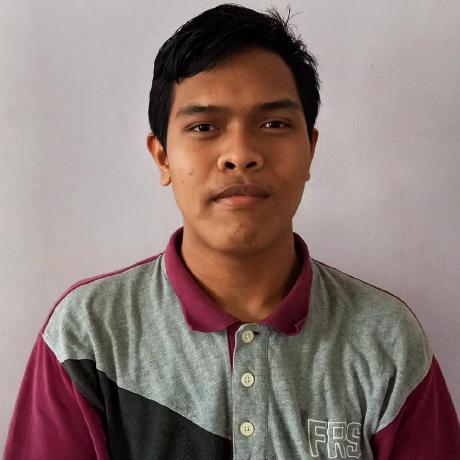
My Experience and Key Takeaways from the APNIC 60 Fellowship.
The APNIC 60 Fellowship Program is the first event of its kind I've ever participated in. I can honestly say that from the application process right up to the very end, every single part added to an experience I can leverage both personally and to contribute back to the Internet community, at any scale possible. It truly opened my eyes to the diverse and collaborative ecosystem that manages the global Internet.
Here are the key takeaways I've summarized from this program:
-
Stay Current with Internet News: Keeping up to date with Internet-related news is crucial—it's not enough to just know what's happening locally. This covers everything from the highest levels of policy and standards discussions (like the APNIC OPM and IETF RFCs) to new technical advancements, such as RPKI for BGP security. We need to be proactive and informed, not reactive. Embrace these new technologies however you want, but ensure you follow guidelines and think critically about their implications. For example, when using artificial intelligence, be careful not to cross ethical limits like intellectual property theft or data privacy violations.
-
Socialize and Connect with Others: The program underscored the human element of the Internet. Even though I'm a practicing Muslim, I found I could fully engage with social activities and events as long as they respected the boundaries of my faith. Why is socializing important? Just like how the Internet itself works, every point of connection builds a stronger and more resilient community that can tackle complex global issues. The conversations and relationships built here are just as vital as the technical workshops. Put away your introverted self for a while and talk with others. You never know who you might learn from or collaborate with next.
-
Learn and Spread the Knowledge: Many of these technologies can be a bit too technical for the average user (especially all those RFCs!). If you have the capability to dissect these papers, you should take the initiative to read and learn as much as you can. All that knowledge should then be translated into accessible information—something the general community, policymakers, and business leaders can easily understand. This, in turn, can significantly increase the adoption of beneficial technologies for the Internet community as a whole, such as RPKI (yes, I mentioned about it quite a lot because of its importance for routing security) and the necessary migration to IPv6.
The things I've gained from this program are genuinely valuable and have immediate, practical applications. I can really use this experience in my day-to-day work, as well as when sharing with my local community, especially my alma mater, Kolej Vokasional Gerik. The students there can be the next generation of young engineers we need to further improve the Internet from both the soft aspect (policies and standards) and the hard aspect (technical implementation). The mentorship and knowledge-sharing opportunity is something I plan to prioritize.
Hopefully, you can see me as the next Malaysian APNIC Community Trainer 😄
Signing off,
Hanis Irfan